
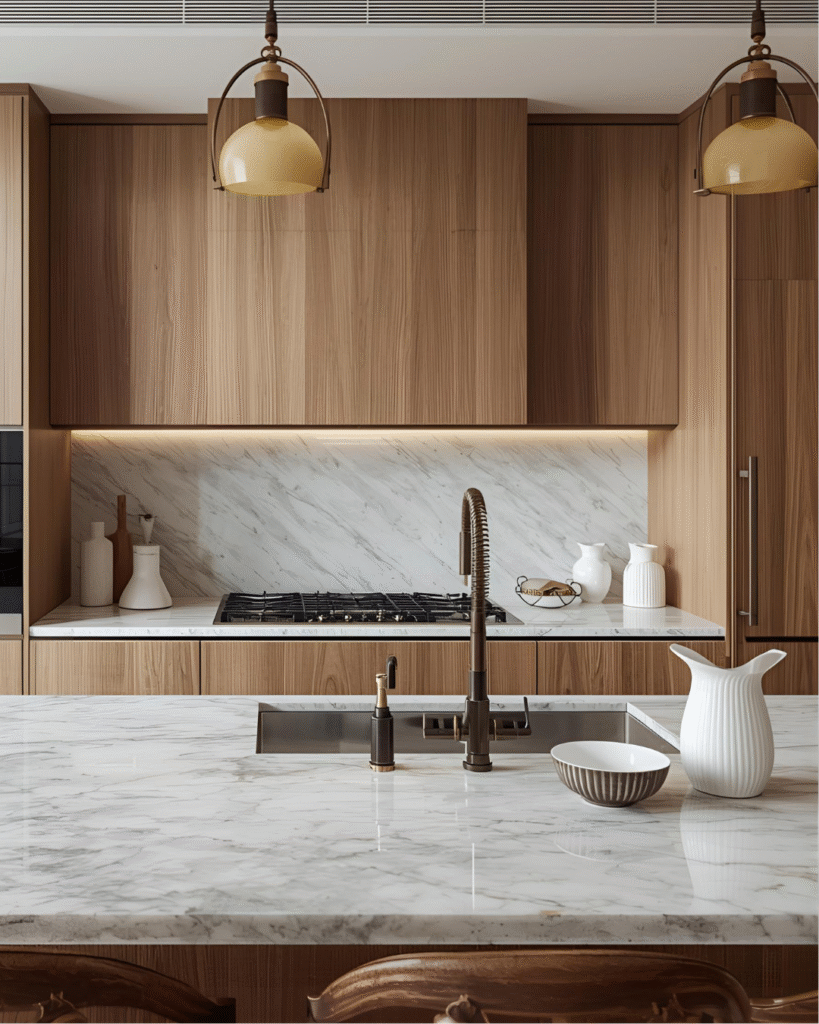
House Extension Costs Maidstone 2026 | Complete Price Guide
Planning a house extension in Maidstone? Understanding the costs involved is essential for budgeting your project effectively. Extension prices vary significantly based on size, specification, location, and property type, but this comprehensive guide breaks down exactly what you can expect to pay across Maidstone and surrounding Kent areas during 2026.
Whether you’re considering a single-storey kitchen extension in Bearsted, a double-storey addition in Loose, or a wraparound extension in the town centre, this guide covers all the costs you’ll encounter—from initial planning through to final completion. We’ll examine typical prices for ME14-ME16 postcodes, regional variations across Maidstone, hidden costs many homeowners overlook, and the return on investment you can expect in Kent’s property market.
Average House Extension Costs in Maidstone 2026
House extensions in Maidstone typically cost between £1,900 and £2,400 per square metre for standard specifications. This translates to the following approximate costs for common extension sizes.
Single-Storey Rear Extensions
Small (3m x 4m / 12m²): £22,800 – £28,800
-
- Compact kitchen extensions
-
- Basic finishes and standard glazing
-
- Suitable for terraced properties in central Maidstone
Medium (4m x 6m / 24m²): £45,600 – £57,600
-
- Most popular size for kitchen-diners
-
- Room for dining and living space
-
- Bi-fold doors and adequate natural light
Large (5m x 8m / 40m²): £76,000 – £96,000
-
- Spacious open-plan family areas
-
- Premium glazing and high-specification finishes
-
- Multiple zones for cooking, dining, and relaxing
Double-Storey Extensions
Double-storey extensions offer better value per square metre as groundworks and foundations serve two floors:
Small (3m x 4m / 24m² total): £52,800 – £67,200
-
- Ground floor extension plus bedroom above
-
- Cost-effective for gaining two rooms
-
- Popular in Maidstone suburbs
Medium (4m x 6m / 48m² total): £91,200 – £115,200
-
- Kitchen-diner below, master bedroom with en-suite above
-
- Significant value addition
-
- Common across Bearsted and Penenden Heath
Large (5m x 8m / 80m² total): £152,000 – £192,000
-
- Substantial family space on both floors
-
- Complete property transformation
-
- Adds 25-35% to property values in Kent
Side Extensions
Side extensions vary considerably based on width and whether they’re combined with rear extensions:
Basic Side Extension (2m x 4m / 8m²): £15,200 – £19,200
-
- Widens existing rooms
-
- Creates utility or storage space
-
- Common on semi-detached properties
Extended Side Return (2m x 6m / 12m²): £22,800 – £28,800
-
- Opens up ground floor significantly
-
- Popular combined with kitchen remodelling
-
- Frequent in Victorian terraces
Wraparound Extensions
Combining rear and side extensions creates maximum impact:
Standard Wraparound (6m x 6m / 36m²): £68,400 – £86,400
-
- Dramatic ground floor transformation
-
- Open-plan living throughout
-
- Usually requires planning permission
Large Wraparound (8m x 8m / 64m²): £121,600 – £153,600
-
- Complete ground floor reconfiguration
-
- Multiple rooms or vast open space
-
- Adds 30-40% to Maidstone property values
What’s Included in These Costs?
Standard extension costs in Maidstone include comprehensive construction work covering all essential elements.
Groundworks & Foundations: Site preparation and excavation, concrete foundations to building regulations depth (typically 900mm-1200mm in Maidstone’s clay soil), drainage connections and soakaways, and damp-proof coursing throughout.
Structural Work: Brickwork matching your existing property, steel beam installations (RSJs) for load-bearing support, structural engineer calculations and certification, and load-bearing wall removals where applicable for open-plan layouts.
Roofing: Roof structure using timber or steel frame, tiles or slate matching existing roof, insulation exceeding current building regulations, guttering and fascias properly installed, and weatherproofing throughout.
Windows & Doors: UPVC or aluminium frames (standard specification), double glazing throughout all openings, bi-fold or sliding doors for rear extensions, and professional installation with proper sealing.
First Fix: Electrical wiring and consumer unit upgrades if required, plumbing for radiators and water services, heating system extensions and upgrades, and ventilation installation meeting building regulations.
Second Fix: Plastering to walls and ceilings with professional finish, electrical sockets, switches and lighting fixtures, radiator installation and commissioning, and skirting boards and architraves throughout.
Finishing: Floor screeding or timber floor installation, basic decoration (mist coat preparation), and making good connections to existing house.
Additional Costs to Consider
Beyond basic construction, budget for these essential extras that many Maidstone homeowners initially overlook.
Planning & Professional Fees
Planning Permission (Maidstone Borough Council): £258 – £462
-
- Householder application: £258
-
- Not required if within permitted development
-
- 8-week determination period standard
-
- Pre-application advice: £100-£200 (recommended)
Building Regulations: £800 – £1,500
-
- Required for all extensions regardless of planning
-
- Includes plan checks and site inspections
-
- Maidstone Borough Council Building Control or Approved Inspector
-
- Multiple inspection visits throughout construction
Architectural Design: £1,500 – £5,000
-
- Measured survey of existing property
-
- Extension design and detailed drawings
-
- Planning application preparation if needed
-
- Building regulations drawings
Structural Engineer: £600 – £1,500
-
- Calculations for steel beams and foundations
-
- Building regulations compliance certification
-
- Site inspections during construction
-
- Essential for all extensions with structural work
Party Wall Agreement: £700 – £1,500 per neighbour
-
- Required if building on or near boundary
-
- Surveyor fees for agreement preparation
-
- Common in terraced properties across Maidstone
-
- Protects both you and your neighbours
Specification Upgrades
Premium Bi-Fold Doors: +£3,500 – £9,000
-
- Aluminium frames with slim sightlines
-
- Larger spans (4-6 metre openings)
-
- High-security multi-point locking
-
- Better thermal performance
Roof Lanterns: +£3,000 – £7,000
-
- Fixed or opening roof lights
-
- Aluminium frames with self-cleaning glass
-
- Dramatically increases natural light
-
- Creates architectural focal point
Underfloor Heating: +£80 – £120 per m²
-
- Electric or wet systems
-
- Warm floors throughout extension
-
- Energy-efficient heating solution
-
- Eliminates need for radiators
Kitchen Installation: £6,000 – £30,000+
-
- Not typically included in builder costs
-
- Wide range depending on specification
-
- Budget: £6,000-£12,000
-
- Mid-range: £12,000-£22,000
-
- Premium: £22,000-£30,000+
Internal Remodelling: £3,500 – £12,000
-
- Knocking through existing walls
-
- Creating open-plan layouts
-
- Additional structural steelwork
-
- Relocating services
Regional Variations Within Maidstone
Extension costs vary across different Maidstone areas based on several factors.
Maidstone Town Centre (ME14): £2,100 – £2,400 per m²
-
- Higher costs due to access challenges
-
- Conservation area considerations
-
- Materials matching period properties
-
- Parking restrictions affecting deliveries
Maidstone Suburbs (ME15): £1,900 – £2,200 per m²
-
- Standard costs for most projects
-
- Areas like Bearsted, Penenden Heath, Shepway
-
- Good access and fewer restrictions
-
- Wide builder availability
Loose & Surrounding Villages (ME15): £2,000 – £2,300 per m²
-
- Some conservation area properties
-
- Rural access considerations
-
- Character property requirements
-
- Slightly higher material delivery costs
Detling & Kent Downs (ME14): £2,100 – £2,500 per m²
-
- Area of Outstanding Natural Beauty restrictions
-
- Higher planning scrutiny
-
- Premium materials often required
-
- Longer travel times for builders
Barming & Maidstone West (ME16): £1,900 – £2,200 per m²
-
- Similar to general Maidstone rates
-
- Mixed property types
-
- Good access routes
-
- Competitive builder pricing
Factors Affecting Your Extension Cost
Several variables significantly impact the final price of your Maidstone extension.
Property Type & Location
Victorian and Edwardian properties require careful material matching, increasing costs by 10-15%. Modern homes allow standard materials, keeping costs at the lower end of ranges. Properties in conservation areas (Town Centre, Loose, Bearsted) face additional planning requirements and often need premium materials.
Access is crucial—restricted access through narrow roads or properties without side access increases labour costs as materials must be manually handled. Town centre locations cost more than suburban areas due to parking restrictions, congestion charges, and limited working hours.
Ground Conditions
Maidstone sits predominantly on clay soils requiring substantial foundations typically 1000mm-1200mm deep. Properties near the River Medway may need additional groundworks. Sloping sites require stepped foundations or retaining walls, adding £3,000-£8,000 to costs. A site survey before quoting ensures accurate foundation costing.
Specification Level
Budget specifications using UPVC windows and standard finishes sit at the lower end of cost ranges. Mid-range projects include aluminium bi-folds, quality fixtures, and good finishes. Premium extensions feature large-format glazing, underfloor heating throughout, high-end finishes, and smart home integration, pushing costs toward £2,400+ per square metre.
Design Complexity
Simple rectangular extensions cost 15-20% less than complex designs with multiple roof levels, unusual shapes, or extensive glazing. Flat roofs are typically cheaper than pitched roofs matching existing properties. However, pitched roofs often provide better long-term value and easier planning approval.
Vaulted ceilings, feature glazing, or structural glass elements add 20-30% to standard costs but create stunning spaces.
Existing Building Work
Older Maidstone properties may require additional work during extensions. Rewiring existing electrics adds £3,000-£8,000. Upgrading heating systems costs £2,500-£6,000. Addressing damp issues adds £1,500-£5,000. These costs ensure your entire home meets modern standards alongside the new extension.
Return on Investment: Property Value Increases
Extensions generally add more value than they cost, making them excellent investments in Maidstone’s strong property market.
Single-Storey Extensions: 12-18% property value increase
-
- A £50,000 extension on a £350,000 property adds £42,000-£63,000 value
-
- Often returns profit while gaining space
-
- Improves saleability significantly in Kent market
Double-Storey Extensions: 18-28% property value increase
-
- A £100,000 extension on a £350,000 property adds £63,000-£98,000 value
-
- Strong positive return on investment
-
- Adds bedroom count, crucial for family buyers
Kitchen Extensions: 15-22% property value increase
-
- Modern kitchen-diners highly desirable in Maidstone
-
- Appeals to young families and downsizers
-
- Quick sales when marketed well in ME postcodes
Wraparound Extensions: 25-35% property value increase
-
- Complete transformations command premium valuations
-
- Dramatic impact on property appeal
-
- Often exceed £100,000 in added value
These figures apply across Maidstone, though percentage increases are slightly higher in premium areas like Bearsted and lower in more affordable locations. Quality of finish significantly impacts value—well-executed extensions return far more than budget work.
Ways to Reduce Extension Costs
If your budget is tight, consider these cost-saving approaches without compromising quality.
Reduce Size Strategically: Dropping from 30m² to 24m² saves £11,400-£14,400 while still providing valuable space. Consider whether you need every square metre—smaller, well-designed spaces often work better than larger, poorly planned areas.
Simplify Design: Rectangular extensions with straightforward roof structures cost 15-20% less than complex designs with multiple levels, angles, or unusual shapes. Simple doesn’t mean boring—good design creates beautiful spaces within simple footprints.
Standard Materials: UPVC instead of aluminium windows saves £2,000-£4,000. Standard tiles rather than slate reduces costs by £1,500-£3,000. Simpler finishes throughout save 10-15% without compromising structural quality.
Optimal Timing: Building in winter months when Maidstone builders are quieter may secure better rates, though weather can slow progress. Booking well in advance allows flexibility in timing for best value.
DIY Finishing Work: Handling decoration, flooring, and final touches yourself saves £3,500-£8,000 on typical extensions. Most builders are happy to leave these elements for homeowners.
Value Engineering: Work with your Maidstone builder to identify cost savings that don’t compromise structural integrity or longevity. Experienced builders know where money can be saved without affecting quality.
Phased Approach: If budget is very tight, consider building the structure now and finishing interiors later. While not ideal, this spreads costs over time.
Financing Your Maidstone Extension
Most homeowners finance extensions through several common methods, each with advantages and considerations.
Savings: Using savings avoids interest costs and approval processes. If you’ve planned ahead, this is ideal. However, ensure you retain emergency funds—don’t deplete all savings for an extension.
Remortgaging: Releasing equity from your Maidstone home typically offers the lowest interest rates. Kent property values have risen steadily, providing good equity for many homeowners. Process takes 4-8 weeks typically. Rates are usually lower than personal loans but extends your mortgage term.
Home Improvement Loans: Unsecured loans for £25,000-£75,000 are common for extensions. No security required against your property. Interest rates are higher than mortgages (typically 5-12%). Application and approval usually faster than remortgaging. Compare rates carefully from multiple lenders.
Further Advance: Borrowing more from your existing mortgage lender keeps you with one lender. Typically offers competitive rates similar to your current mortgage. Quicker process than full remortgaging. Not all lenders offer this option.
Builder Payment Plans: Some Maidstone builders offer payment plans or can arrange finance. Usually more expensive than arranging your own finance. Convenient but compare rates carefully. Ensure you understand all terms before committing.
Using Multiple Methods: Many homeowners combine methods—using some savings, remortgaging for the bulk, and a small loan to cover contingencies. This spreads risk and preserves some financial flexibility.
Always secure finance before committing to building contracts. Having funds in place prevents delays and allows you to negotiate better with builders.
Timeline Expectations
Understanding the time commitment alongside financial investment helps you plan effectively.
Planning Phase: 2-4 weeks
-
- Initial consultations and design development
-
- Quotation requests and comparison
-
- Contract negotiation and agreement
-
- Faster if no planning permission needed
Planning Permission (if required): 8-13 weeks
-
- Application preparation: 1 week
-
- Submission to Maidstone Borough Council
-
- 8-week determination period
-
- Potential for neighbour consultations extending timeline
-
- Pre-application advice can speed the process
Building Regulations Approval: 2-3 weeks
-
- Submit plans and structural calculations
-
- Approval before commencing work
-
- Building control inspections throughout construction
-
- Final sign-off upon completion
Construction Timelines:
-
- Single-storey extension (small): 8-10 weeks
-
- Single-storey extension (medium): 10-12 weeks
-
- Single-storey extension (large): 12-14 weeks
-
- Double-storey extension (small): 12-14 weeks
-
- Double-storey extension (medium): 14-18 weeks
-
- Double-storey extension (large): 16-20 weeks
-
- Wraparound extension: 16-22 weeks
Weather Delays: Maidstone’s weather can impact timelines, particularly for groundworks and roofing. Winter months may add 1-2 weeks. Heavy rain can delay foundations and brickwork. Allow contingency time in your plans.
Total Timeline Examples: Single-storey extension without planning: 12-16 weeks from start to finish. Single-storey extension with planning: 22-29 weeks including approval. Double-storey extension with planning: 30-39 weeks total.
Choosing Your Maidstone Builder
Selecting the right builder is crucial for project success, affecting quality, stress levels, and final results.
Essential Qualifications: Look for established Maidstone builders with proven local experience, portfolio of similar projects viewable in person or via photographs, references from recent Kent clients you can contact, proper insurance including public liability (£5-10 million minimum), and professional memberships like FMB, Checkatrade, or Federation of Master Builders.
Red Flags to Avoid: Be cautious of builders requesting large upfront payments exceeding 20-25% deposit, providing vague quotations without detailed breakdowns, lacking proper insurance documentation or refusing to provide it, unable to provide references or previous work examples, and pressuring you to make quick decisions without time to consider.
Getting Quotations: Obtain at least three detailed written quotations from reputable Maidstone builders. Ensure quotations specify all work included with clear descriptions, materials to be used with specifications and brands, payment schedule clearly broken down by stage, timescale from start to completion with milestones, and exactly what’s excluded (such as kitchen units, flooring, landscaping).
Important Questions: How many similar extensions have you completed in Maidstone? Can I visit current or recently completed projects? Who will manage my project day-to-day, and will I have direct contact? What happens if problems arise or unexpected issues are discovered? How do you handle variations to quoted work and additional costs? What guarantees or warranties do you provide on structural work and installations?
Contract Essentials: Always use written contracts specifying all work to be completed in detail, total cost and staged payment schedule, start and realistic completion dates, specifications for all materials with brands where relevant, procedures for handling variations and additional work with pricing mechanisms, and clear dispute resolution procedures.
Project Management: Good Maidstone builders communicate regularly with progress updates, attend site promptly when issues arise, coordinate trades effectively ensuring smooth workflow, protect your property and maintain reasonably clean sites, and resolve problems proactively and professionally without unnecessary delays.
Conclusion
House extensions in Maidstone represent significant but worthwhile investments. Understanding costs—typically £1,900-£2,400 per square metre—helps you budget realistically and make informed decisions about your project.
Single-storey extensions cost £22,800-£96,000 depending on size, while double-storey extensions range from £52,800-£192,000. Both typically add more value than they cost, with increases of 12-35% common across Maidstone’s property market.
Remember to budget for planning fees if required, building regulations costs, professional fees for architects and engineers, specification upgrades like premium glazing or underfloor heating, and contingencies for unexpected issues (typically 10-15%).
The quality of your builder significantly affects outcomes. Take time choosing experienced Maidstone builders with proven track records, proper insurance and qualifications, transparent pricing and contracts, and good communication and project management skills.
Extensions transform how you use your home, add substantial value, eliminate the stress and cost of moving, and create space for your family’s future needs in properties you already love.
Ready to start your Maidstone extension project? Contact our experienced team today for free consultations and detailed quotations. Call [Your Phone Number] or complete our online enquiry form for your no-obligation quote.